


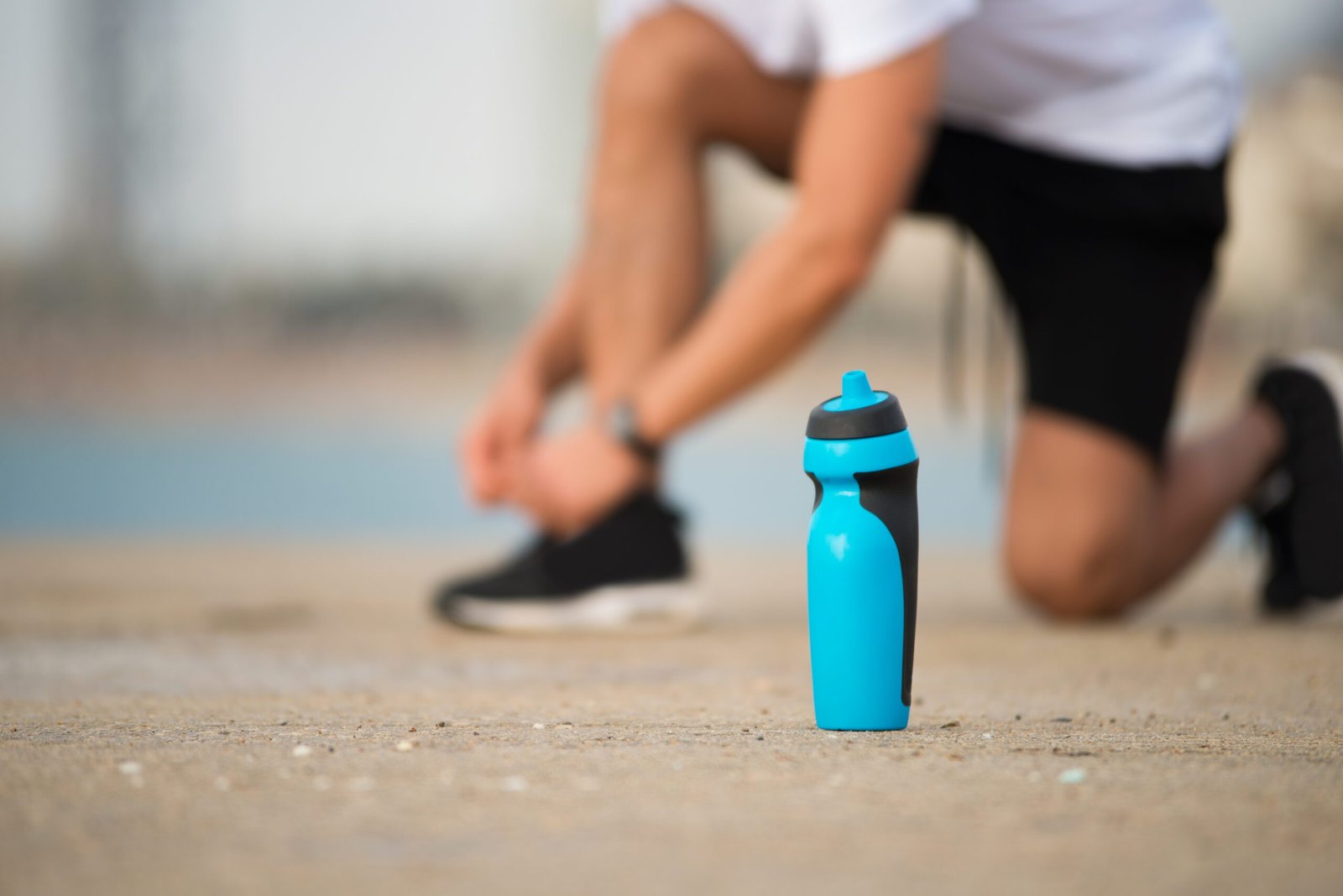
In this post, we analyze sports drinks, a fundamental part of every athlete's diet. Don't forget that proper hydration is a key to good health and improved physical performance. We present the three types of sports drinks you can drink, depending on the sport you play.
Throughout exercise For sports physique, it is necessary to hydrate. But not all hydration is the same; there are different types of drinks, which will give us different levels of sports hydration.
In general, sports drinks help you achieve optimal hydration, but not all are created equal.
We can distinguish 3 types of sports drinks: isotonic drinks, hypertonic drinks and hypotonic drinks.
The goal of all of these is to meet the energy, fluid, and/or electrolyte needs of professional athletes.
It's clear that all the brands in this group of beverages highlight their perfect combination of nutrients. But what must be clear, and of utmost importance, is that an adequate sports hydration It is the unequivocal condition of good health and better physical performance.
Sports drinks for sports hydration
Factors that influence the choice of the right drink
• flavor
• type, duration, intensity of exercise,
• environmental conditions (temperature, humidity)
• individual differences in sweating
• and others
Common components
Water, simple carbohydrates (glucose, fructose, glucose...) or complex carbohydrates (glucose polymers) and electrolytes (sodium, potassium, chlorine, phosphorus, magnesium, calcium, etc.).
Some brands include vitamins and coloring, flavoring, and sweetening additives.
The difference between them lies mainly in the degree of concentration of their components.
Types of sports drinks for sports hydration
Isotonic drink
It contains sugars and electrolytes at the same osmotic pressure as blood (330 milliosmoles/liter -mmosml/l-).
The liquid passes from the stomach to the intestine, where it is easily absorbed and released into the bloodstream, which promotes rapid and optimal assimilation of its components.
Drinking this type of beverage is highly recommended in hot environments or when you are sweating a lot.
In this way we managed to replenish
• Liquids
• Electrolytes (mainly sodium and chloride)
• Energy (glucose)
This way, we delay fatigue, prevent heat injuries (cramps, fainting, etc.), improve performance, and speed up recovery.
Hypertonic drinks
They contain a higher concentration of solutes per unit volume than blood.
The body works by secreting water to dilute fluid that is too concentrated until it becomes isotonic.
It is recommended to drink them in:
• Prolonged efforts with little sweat loss and where it is not necessary to compensate for so many fluids, but an extra intake of carbohydrates is necessary.
Hypotonic drinks
The best example of this type of drink is water.
Its use is common in moderate exercises that last less than an hour and in which an extra supply of electrolytes is not necessary.
Water, in combination with a balanced diet, already provides the body with the necessary levels of electrolytes.
Hypertonic and hypotonic drinks have slower absorption rates, which is a disadvantage if rapid fluid or energy replacement is desired.